
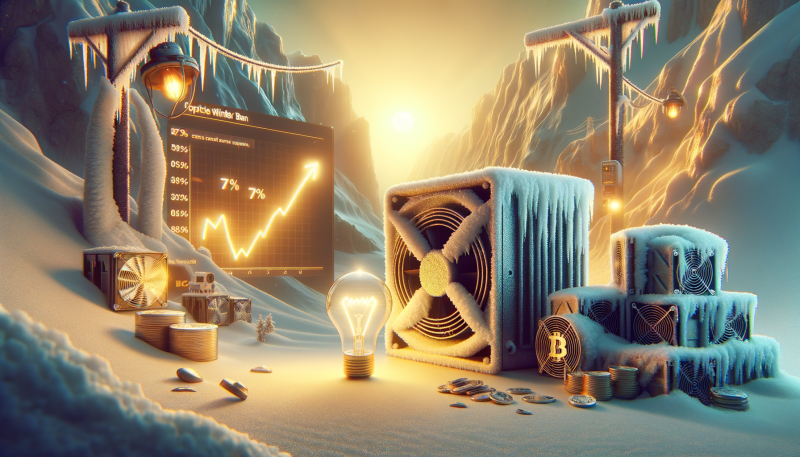
The Russian Energy Ministry has stated that banning crypto mining in parts of Siberia is reducing pressure on the region’s electricity grids, reportedly decreasing consumption by over 300 MW. The ban, effective since January 1, 2025, is intended to prevent issues like rolling blackouts during winter months when power demand is highest. Despite this, some officials argue the ban isn’t sufficient and advocate for year-round restrictions in certain areas. Meanwhile, crypto mining is reportedly growing in Siberia and other regions, with a 7% increase in Russia’s Bitcoin mining sector in 2024. Critics question the success of the ban, noting new regulations and tariffs could hinder business growth and tax revenues. The ministry plans regular meetings to develop a regulatory framework and considers creating a national directory of crypto mining equipment to manage legal operations better.
- What happened?
The Russian Energy Ministry announced that the recent ban on crypto mining in Siberia has led to a decrease in electricity demand by over 300 MW, alleviating pressure on the region’s power grids. This ban was initiated to prevent potential energy shortages during the high-demand winter months. The ministry plans regular meetings to further regulate crypto mining and explore creating a national registry for mining equipment. - Who does this affect?
This ban primarily affects crypto miners operating in Siberia and several other Russian regions, including those in areas under Russian occupation. It impacts both legal and illegal mining operations, with stricter regulations aimed at curbing unauthorized activities. The mining industry participants and regional power providers are crucial stakeholders, as they must adapt to new regulatory measures and potentially fluctuating power demands. - What does this mean?
The market impact of the Siberian crypto mining ban indicates a potential shift in crypto mining activities to other regions or countries with more favorable regulations and energy conditions. Despite the ban, Russia’s Bitcoin mining sector reportedly grew by 7% in 2024, highlighting ongoing interest and investment in the industry, albeit under tighter scrutiny. The differentiation in tariffs and increased regulation may limit business growth, impacting government tax revenue, but it seeks to stabilize energy consumption and manage power flow efficiency.
Leave a Reply