
What happened?
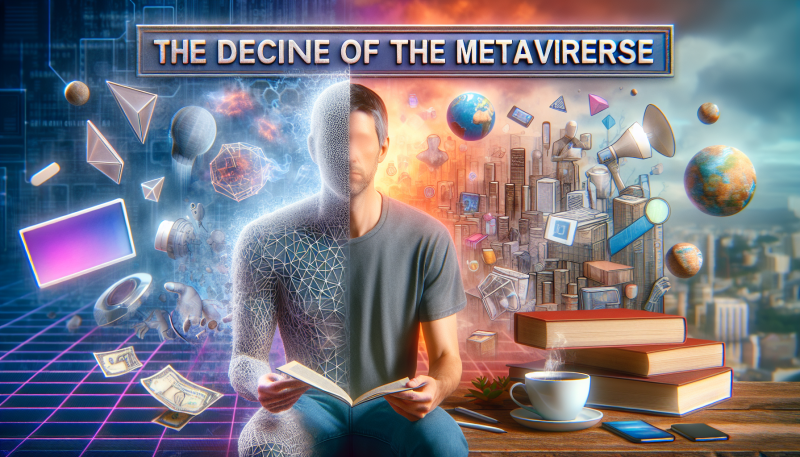
Mark Zuckerberg’s ambitious pivot to the metaverse, rebranding Facebook to Meta, has not met expectations and is considered one of tech’s most significant recent failures. Despite massive investments totaling around $46 billion, the metaverse hasn’t gained the anticipated traction and has seen a decline in interest and capital. The emergence of generative AI technologies like ChatGPT overshadowed the metaverse with their immediate practical applications.
Who does this affect?
The rise and fall of the metaverse significantly impact tech investors, companies, developers, and users who expected a new digital world. Companies heavily invested in metaverse technology, such as Meta, faced substantial financial losses due to unmet promises and low user engagement. Consumers, initially enticed by virtual interactions and digital environments, have shifted attention towards more accessible and impactful AI-driven solutions.
Why does this matter?
The declining focus on the metaverse signals a shift in market dynamics, redirecting venture capital and resources toward AI technology, which offers quicker returns and broader applications. This trend indicates a recalibration of tech investments, emphasizing practical, scalable innovations over speculative projects. However, despite the setbacks, some metaverse initiatives continue to survive, suggesting that while subdued, interest in virtual environments remains among investors seeking potential growth opportunities.
Leave a Reply